Is Cappadocia Safe for Tourists Right Now? A 2026 Guide
For most travelers, Cappadocia remains one of the calmer and more welcoming regions in Turkey. But safety questions deserve honest answers, not marketing lines. Here is a clear, regional look at the situation, what current advisories actually say, and how to plan a balloon trip with confidence. Always check your government source for the latest status before you book.
Hot Air Cappadocia Balloon Operations, Göreme
TURSAB 2290 · Since 1999
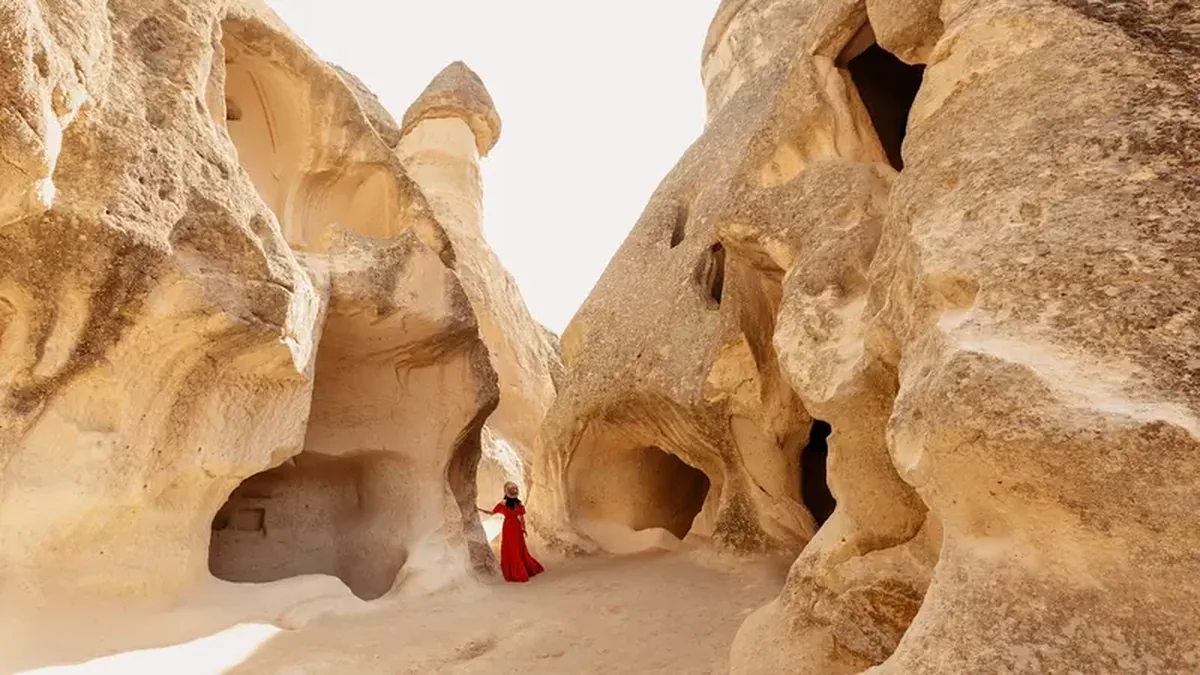
When travelers ask whether Cappadocia is safe right now, they deserve a thoughtful answer, not a marketing line and not generic reassurance.
The short version is this: for most travelers, Cappadocia remains one of the calmer, more welcoming regions in Turkey, and the main international tourism areas are treated very differently from the southeast border regions in current official advisories. But Turkey overall sits under an increased-caution level, and the wider regional situation in 2026 means a responsible answer is regional and time-stamped, not a flat yes or no.
This guide explains what current advisories actually say as of May 2026, why Cappadocia is positioned differently from the highest-risk areas, how the balloon flight itself is regulated, and what actually matters when you plan. Advisory levels change, so we link the official sources throughout and recommend you check them for your own country before booking.
Bigger picture: Cappadocia Balloon Safety
The short answer, with honesty
For many travelers, Cappadocia can still be a deeply rewarding destination right now, and the region is not singled out the way the southeast border areas are in current official advisories. That is the honest, useful starting point.
But honesty also means saying what the advisories do flag. As of May 2026, Turkey overall carries an increased-caution level from several governments because of terrorism risk, the wider regional situation and demonstrations in major cities. No responsible source says everything is perfectly fine everywhere, and no responsible source says travelers should avoid Turkey entirely. The accurate answer is in between: Cappadocia is a calmer, well-established tourism region, and a good trip is planned with awareness rather than fear.
Because advisory levels can change at any time, the single most useful habit is to check your own government source before booking. We link them below.
Why the real question is which part of Turkey you are visiting
One of the most common mistakes travelers make is treating Turkey as a single yes-or-no answer. It is not. Official advisories are deliberately regional, not national.
A traveler heading to Cappadocia, Istanbul or the Aegean coast is in a very different situation from someone near the Syrian border or in the far southeast. The strongest official warnings are concentrated on specific areas, not on the country as a whole.
As of May 2026, the broad pattern across the main English-speaking governments is consistent:
- United States: an overall Level 2, exercise increased caution, with a do-not-travel zone for the Syria and Iraq border region and a reconsider-travel advisory for the wider southeast. Cappadocia (Nevsehir province) is not in that southeast list.
- United Kingdom: no general advisory against travel to the main destinations including Istanbul, Antalya, Bodrum and Cappadocia, with advice against all travel only to within 10km of the Syrian border.
- Australia: an overall exercise a high degree of caution level, with stronger warnings for the southeast and border areas, and notes about regional airspace risk.
In other words, all three separate the main tourism regions, including Cappadocia, from the southeast border zone. That distinction is the heart of an honest answer.
Is Cappadocia specifically safe?
For most guests, Cappadocia feels calmer and easier than a major city. It is a long-established tourism region built around its valleys, cave hotels and sunrise balloon flights, and it sits far from the southeast border areas that carry the strongest official warnings.
In practical terms, the issues most travelers actually encounter in Cappadocia are not the ones they fear before arrival. They are usually operational: weather-dependent balloon flights, unclear meeting arrangements, poorly handled transfers and last-minute confusion with inexperienced providers. The distinction between Cappadocia and higher-risk regions follows the current advisory pattern; the operational points are our own practical experience as a local team.
This is why local support matters here. In Cappadocia, peace of mind usually comes not from avoiding the region, but from choosing the right people to look after the experience. None of this means a trip can be guaranteed perfectly safe anywhere; it means the realistic concerns are different from the headlines.
Is the hot air balloon flight itself safe?
Cappadocia balloon flights are not informal. They are regulated commercial flights. The decision to fly is made by the Civil Aviation Authority, not by a sales office, and flights only operate when conditions are authorized. Pilots are licensed, operators carry passenger insurance, and flights are cancelled or postponed when the weather does not allow safe operation.
That regulation is the core safety point: when conditions are not right, the flight does not happen. A cancellation is not a failure of the trip; it is the system working as intended. The flight area, the basket type and the morning program are all planned around that authorization process.
We keep the deeper detail on a dedicated page rather than repeat it here. If you want the full picture of how balloon safety, licensing and weather decisions work, see our balloon safety FAQ and the flight status page below.
The wider regional situation and your travel plans
Even when your destination feels calm, the wider regional situation in 2026 can still affect the practical side of travel. Official guidance from several governments has noted that events in the broader Middle East can lead to airspace adjustments, flight reroutes or occasional disruption to timing.
For a Cappadocia trip, this is mostly a logistics point rather than a safety one. It can affect connecting flights, transit hubs and timing more than the time you spend on the ground. The sensible response is practical: build a little buffer into connections, keep your travel insurance details handy, and stay aware of official updates close to your travel dates.
We mention this honestly because pretending the regional context does not exist would not be responsible. But for most leisure travelers, it is a planning consideration, not a reason to cancel.
Demonstrations: a real but manageable point
Current advisories note that demonstrations and protests can take place in Istanbul and other large cities, sometimes with little warning, and can become disruptive. This is mainly relevant if your trip includes time in a major city before or after Cappadocia.
The guidance is simple and consistent across sources: do not linger at or try to pass through a gathering out of curiosity. If a crowd is forming, the right move is to leave the area. This is standard advice for any large global city and is straightforward to follow.
Is Cappadocia safe for solo female travelers?
Cappadocia can be rewarding for solo female travelers, and many visit independently. As with travel anywhere, awareness and good structure make the difference. Some official guidance notes that women should take extra care, particularly in isolated areas or after dark, which is sensible advice in most destinations.
In practice, comfort and confidence rise sharply when the basics are handled well: central accommodation, reliable transfers, realistic routing and a trusted local contact. The calmest solo trips are rarely the most improvised ones. They are the ones arranged to feel free without feeling exposed, with someone reliable to reach if plans need to change.
What areas should travelers avoid right now?
The clearest official answer is geographic. As of May 2026, travelers should take the strongest warnings seriously for the Syria and Iraq border zone and parts of southeast Turkey. The U.S. advises against travel to the immediate border region and reconsidering travel to the wider southeast; the UK advises against all travel within 10km of the Syrian border; Australia maintains stronger warnings for the same areas. Cappadocia is not in these zones.
Beyond geography, the practical things to avoid are the same anywhere sensible:
- Demonstrations, protests and politically tense gathering points
- Isolated, poorly lit areas late at night
- Loosely arranged last-minute services with no clear support
- Assuming that headlines or social media snippets tell the whole story
For the current, authoritative position for your own country, always check the official source. We link them in the next section.
Check the official source before you book
Advisory levels are updated regularly, sometimes month to month. This article reflects the situation as of May 2026, but the most reliable step you can take is to read the current advisory for your own country before booking and again close to your travel dates.
- United States: travel.state.gov Turkey travel advisory
- United Kingdom: gov.uk foreign travel advice for Turkey
- Australia: smartraveller.gov.au Turkiye advice
A short note on insurance: at least one government has reminded travelers that travel insurance can be invalidated if you travel against official advice, for example into a no-travel zone. For a normal Cappadocia trip this does not apply, but it is a good reason to read the advisory and choose insurance that covers your full itinerary, including any transit stops.
Why planning quality matters more than travelers expect
This is the part many generic safety articles miss. The safest trip is not always the cheapest one, and the most comfortable trip is rarely the one held together at the last minute.
In our experience, travelers feel most secure in Cappadocia when a few things are done properly: the routing is sensible, airport and hotel logistics are smooth, expectations are realistic, and there is someone reliable to contact if plans need to change. This matters especially here, where weather, sunrise timing and transfer planning all shape the experience. A region can be calm and still feel stressful if the structure behind the trip is weak. Even a complex itinerary can feel reassuringly smooth when it is managed with care.
For us, this is not only about travel information. It is about trust. When travelers ask serious questions about safety, they deserve serious answers: no exaggeration, no dismissiveness and no copy-paste reassurance. The travel we believe in is not careless and not fearful, but well considered.
Book your Cappadocia sunrise flight
Pick the experience that fits you.
ClassicShared basket, the classic sunrise over the valleysComfortA smaller group, more room to move and to photographPrivateYour own balloon, just your party, on your schedule Tour of Istanbul ↗Tour of Istanbul ↗
Plan with confidence
Frequently asked questions
- Is Cappadocia safe for tourists right now?
- For most travelers, yes. As of May 2026, Cappadocia is a well-established tourism region and is not in the southeast border areas that carry the strongest official warnings. Turkey overall sits under an increased-caution level, so a sensible trip is planned with awareness. Always check your own government advisory before booking, since levels can change.
- Is Cappadocia in a conflict zone?
- No. Cappadocia (Nevsehir province) is in central Turkey, far from the Syria and Iraq border areas that current advisories flag. The strongest official warnings apply to the southeast border zone, not to the central tourism regions.
- Will balloons still fly given the current situation?
- Balloon flights operate normally when the Civil Aviation Authority authorizes them and weather allows. The current regional situation has not closed Cappadocia tourism, and airports serving the region operate as usual. Flights are still decided morning by morning based on weather and authorization, as they always are.
- Is it safe to fly into Turkey at the moment?
- Major Turkish airports operate normally and the main tourism regions are open. The wider regional situation in 2026 can occasionally affect airspace or connecting-flight timing, so it is wise to allow buffer time on connections and keep your travel insurance details handy. Check your government advisory close to your travel dates for the latest.
- Is Cappadocia safe for solo female travelers?
- Many solo female travelers visit Cappadocia independently. As with travel anywhere, awareness helps: choose central accommodation, use reliable transfers, keep realistic routing and have a trusted local contact. Some official guidance suggests taking extra care in isolated areas or after dark, which is sensible advice in most destinations.
- What parts of Turkey should I avoid right now?
- As of May 2026, the clearest official answer is the Syria and Iraq border zone and parts of southeast Turkey, where governments maintain do-not-travel or reconsider-travel warnings. Cappadocia is not in these areas. Beyond geography, avoid demonstrations and loosely arranged last-minute services. Always confirm with your own government source.
- Does the wider regional situation affect Cappadocia tourism?
- For most leisure travelers it is a logistics consideration rather than a safety one. It can affect connecting flights, transit hubs and timing more than time on the ground in Cappadocia. Building buffer time into connections and checking official updates close to travel dates is the sensible response.
- Should I avoid demonstrations during my trip?
- Yes. Advisories note that demonstrations can occur in major cities with little warning and may become disruptive. This is mainly relevant if your trip includes a major city before or after Cappadocia. If a crowd is forming, leave the area rather than observe or pass through.
- Can travel insurance be affected by official advisories?
- Yes. At least one government has noted that travel insurance can be invalidated if you travel against official advice, such as into a no-travel zone. A normal Cappadocia trip is not affected, but it is a good reason to read the advisory and choose insurance that covers your full itinerary, including transit stops.
- Where can I check the current official advisory?
- Check your own government source: travel.state.gov for the United States, gov.uk foreign travel advice for the United Kingdom, and smartraveller.gov.au for Australia. These are updated regularly and are the authoritative position for your country, especially close to your travel dates.
About the operations team
Hot Air Cappadocia Balloon Operations is based in Göreme and coordinates sunrise balloon flights for international guests through hotaircappadociaballoon.com. Operating under Tayf Tours DMC (TURSAB Licence No. 2290) since 1999, the team works with trusted licensed balloon operators in Cappadocia, with operational follow-up and a clear weather policy. This article reflects publicly available official advisories as of May 2026 and the team's practical local experience; it is not legal or government travel advice, and travelers should check their own government source for the current position.