The Best Time to Visit Cappadocia (and When the Balloons Actually Fly)
When to go, when the balloons actually fly, and which season fits the trip you want, month by month, from people who run flights here every season.
Volkan Yirtimci
Founder, Tayf Tours · Goreme, Cappadocia · Since 1999

The best all-round time to visit Cappadocia is spring (late April to June) and autumn (September to mid-November). These months bring mild, comfortable weather, beautifully clear mornings, and strong balloon-flight reliability, without the peak heat of midsummer or the deep cold of winter.
If your single priority is the highest chance of flying, the peak season runs from April to October, with July and August the most reliable of all. And if you want fewer crowds and lower prices, winter has a quiet, snow-dusted beauty of its own. Cappadocia is genuinely a year-round destination, so the best time is really the time that fits what you want most.
Bigger picture: Planning Your Cappadocia Trip
The land of beautiful horses
Cappadocia is one of those rare places that lives up to its own legend. The name traces back to the old Persian Katpatuka, translated for more than two thousand years as the land of beautiful horses. What you find today is stranger and more beautiful than the name suggests: a high plateau shaped by ancient volcanoes, carved over millennia into valleys of soft stone, fairy chimneys, rock-cut churches, underground cities, and open-air museums where time seems to have paused.

It is also, famously, the place where hundreds of hot air balloons rise together at first light. For most travelers, that sunrise is the reason they come. But the question we are asked most often is a practical one: when is the best time to be here, and when do the balloons really fly?
This guide answers both, month by month, from people who run flights in this region every season.
What does the best time to visit depend on?
There is no single best month, because three things rarely peak at once:
- Flight reliability. How likely the balloons are to fly on a given morning, which comes down to wind and weather.
- Comfort and scenery. Temperature, daylight, and how the landscape looks, from green spring valleys to white winter mornings.
- Crowds and price. The quietest, best-value months are not the busiest ones.
Once you know which of these matters most to you, the right month becomes clear. Here is the weather picture across the year, followed by how the flying season actually behaves.
What is the weather like in Cappadocia month by month?
In short: hot, dry summers, cold and sometimes snowy winters, and mild, greener shoulder seasons in spring and autumn. Here is the full year.
What the weather is like each month
A few things stand out. Summers are hot and very dry: July and August see almost no rain, which is part of why the mornings are so reliably calm and clear. Spring (April and May) is mild and green, but also the wettest stretch of the year. Autumn cools gradually with mostly settled weather. Winter is cold, with frost and snow common from December to February, and it is the season that turns the valleys into something quiet and cinematic.
When do the balloons actually fly in Cappadocia?
Balloons fly at sunrise, all year round. In a typical year the region flies on somewhere between 230 and 249 mornings, which makes Cappadocia one of the most flyable ballooning regions in the world. No operator can promise exactly how many mornings will fly, because it always comes down to the weather, but across a full year the odds are very high. There is a primary slot at first light, then a secondary slot shortly after for the rest of the fleet. There are no afternoon flights, as the airspace is regulated that way.
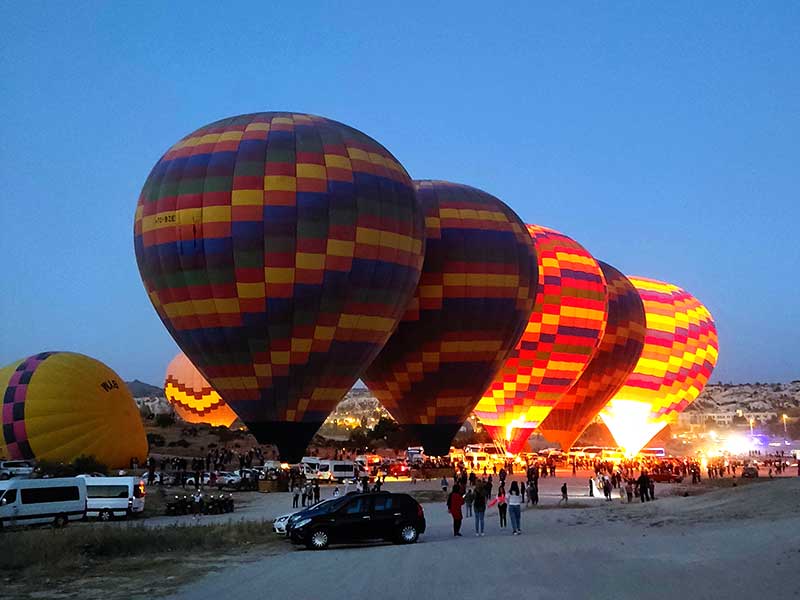
From dusk to sunrise
The pattern is clear. The peak season runs from April to October, seven prime months when the mornings are dry and settled, and July and August are the most reliable of all. Flying tapers through late autumn and is least frequent in deep winter, though clear, calm winter mornings still go up. Your odds of flying on any single morning are far higher in summer than in January.
One thing worth planning around is how early the day starts. Sunrise shifts a lot across the year, from around 5 am at midsummer to about 7:30 am in December, with pickup usually 60 to 90 minutes before. A summer flight means a very early start, while autumn and winter mornings begin at a gentler hour.
When the sun rises
Because conditions can shift quickly, the only certainty comes close to the date. The Civil Aviation Authority confirms each morning's flights the day before, around midday. To plan ahead, you can check the week-ahead outlook for each sector on our live Flight Status page, which gives you a realistic sense of the days most likely to fly during your stay.
Book your Cappadocia sunrise flight
Pick the experience that fits you.
ClassicShared basket, the classic sunrise over the valleysComfortA smaller group, more room to move and to photographPrivateYour own balloon, just your party, on your schedule Tour of Istanbul ↗Tour of Istanbul ↗
Which season is best for your trip?
The short version: spring and autumn for the best all-round balance, summer for the most reliable flying, and winter for quiet, value, and snow. Here is each in turn.
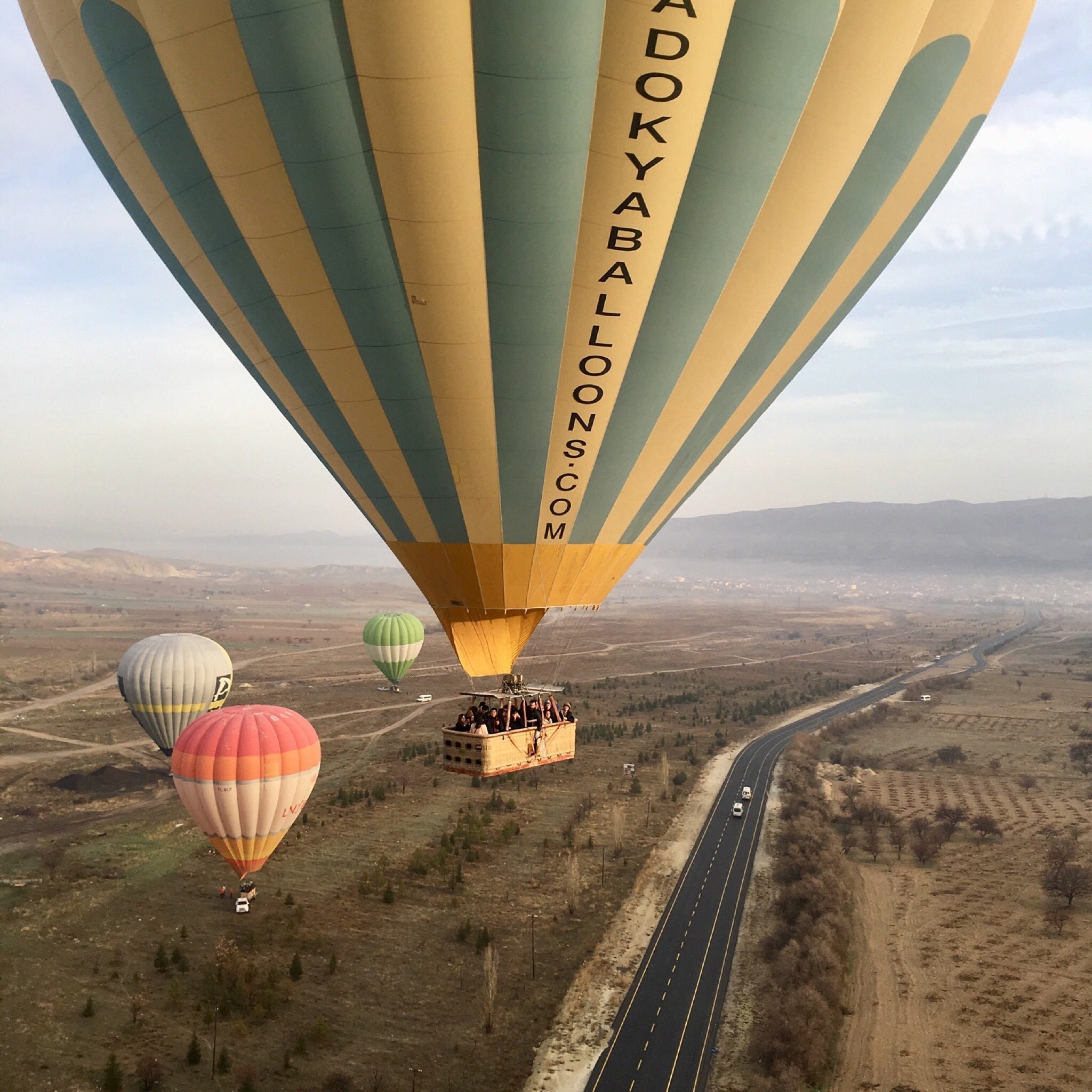
Spring (April to June). Mild days, cool mornings, and the valleys at their greenest. Spring is one of the most pleasant times to be here, with comfortable walking weather and long, soft light. It is also the wettest part of the year, so flying happens between weather systems rather than every single day. Crowds build toward June. A strong choice if you want greenery, easy temperatures, and a lively but not overwhelming atmosphere.
Summer (July to August). Hot afternoons, very dry air, and the most stable mornings of the year, which makes this the most reliable stretch for flying. Days are long and the light is golden. The trade-off is midday heat and the busiest crowds. Plan your sightseeing for early morning and late afternoon, and rest when the sun is high. Best for travelers whose top priority is the highest chance of flying.

Autumn (September to mid-November). For many, the sweet spot. September and October bring warm days, cool mornings, settled weather, and excellent flight reliability, with the landscape turning golden. This is also peak demand, so book your flight well ahead. By November the air is crisp and the region quieter. Best for the all-round experience.
Winter (December to February). Cold, sometimes snowy, and genuinely magical. When snow settles over the fairy chimneys and a balloon lifts over a white valley at dawn, it is one of the most striking sights in Turkey. Flights are less frequent but do happen on clear, calm mornings. This is the quietest and best-value season, with cozy evenings by the fire in the cave hotels. Best for travelers who want fewer crowds, lower prices, and a quieter, more cinematic Cappadocia, and who can stay flexible with their flight dates.

More than the balloons
Here is something worth knowing before you fix your dates. The balloon flight is unforgettable, but it is not the whole of Cappadocia, and a morning when the balloons stay grounded is not a lost day.

This is a region you can explore for days. The underground cities of Kaymakli and Derinkuyu, the rock-cut churches of the Goreme Open Air Museum, and the rock formations of nearby Zelve.

The hiking trails through Love, Rose, and Pigeon valleys, the pottery workshops of Avanos on the banks of the Kizilirmak River.
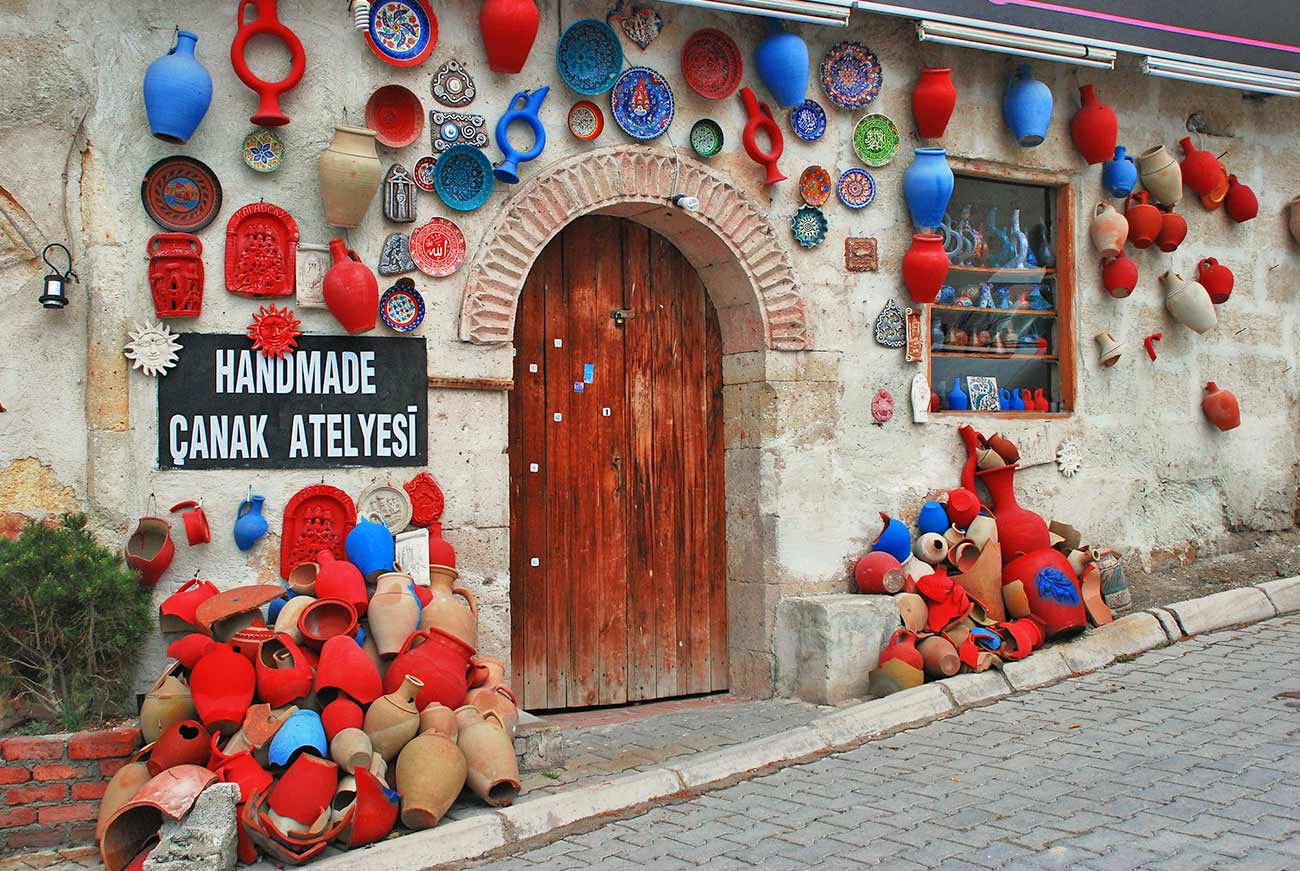
And there is the sunset from Uchisar. In winter there are snowy walks and warm evenings behind stone walls; in summer, long golden afternoons.

In our experience, even guests whose flight is postponed for weather tell us the same thing afterward: the place itself, its quiet, ancient, almost otherworldly atmosphere, was worth the trip on its own. So choose your season for the experience you want, keep a little flexibility around your flight date, and know that Cappadocia rewards you either way.
Where should you stay in Cappadocia?
In a cave hotel, if you can. For a lot of travelers they are a reason to come in their own right. Across Goreme, Urgup, and Uchisar, many of the best rooms are carved straight into the soft volcanic rock, some of them almost entirely inside caves that are hundreds of years old. You will find suites where the walls still hold the small pigeon coops from the days these caves housed birds, and bathrooms with their own private hammam. Sleeping inside the stone, with the valley quiet outside, becomes part of the experience rather than just somewhere to put your bags.
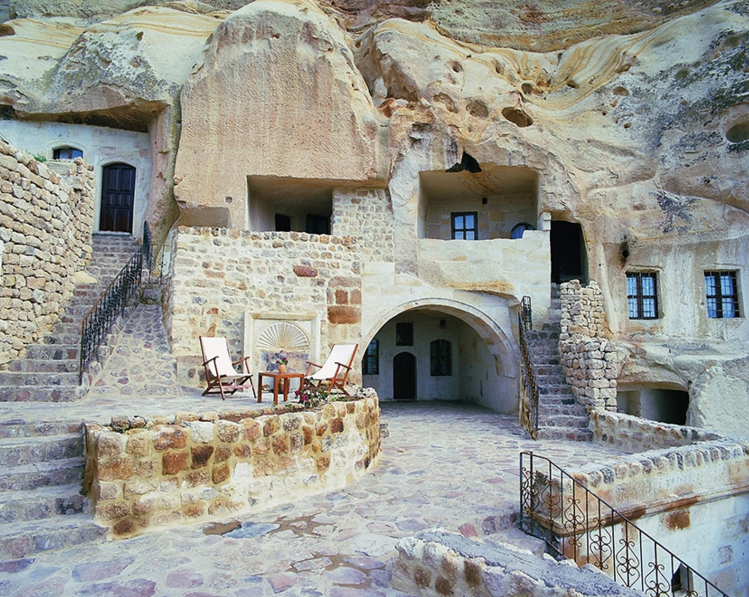
Goreme is the busy hub and the most convenient base. If you want somewhere calmer and more characterful, Urgup and Uchisar are quieter, with some of the most memorable cave stays in the region. Which one suits you depends on the kind of trip you have in mind.
How many nights should you stay?
Two to three nights is the sweet spot for most travelers. One night is enough to see Cappadocia, but it leaves no margin if the weather grounds the balloons on your only morning. Two nights gives you a flight morning, a full day for the valleys and underground cities, and a second morning held in reserve for the balloon. Three nights lets you take in both the Red and Green tour routes at an easy pace.
If your heart is set on flying, the most useful single thing you can do is give yourself more than one possible morning.
Read nextCappadocia Red Tour or Green Tour, which to choose?
A few planning notes
- Book your flight as early as you can for September and October, the busiest months.
- Mornings are cold at altitude all year, even in summer, so bring a layer.
- Give yourself at least two possible mornings if you can, so a single weather day does not cost you the flight.
- For live prices by date, see our flight options rather than a fixed figure, since rates move with the season.
Continue reading
Frequently asked questions
- What is the best month to visit Cappadocia?
- For the best all-round experience, choose May, September, or October: mild weather, clear mornings, strong flight reliability, and beautiful light. July and August are the most reliable for flying but hot and busy, while winter is quiet, snowy, and the best value.
- What is the cheapest time to visit Cappadocia?
- Winter, from December to February, is the quietest and most affordable season, with the lowest flight prices and far fewer visitors. The trade-off is cold weather and slightly less predictable flying. Spring and early summer also offer good value before the autumn peak. For live prices by date, see our flight options, since rates move with the season.
- Can you fly a hot air balloon in Cappadocia in winter?
- Yes. Flights run year-round and take off on clear, calm winter mornings, when a balloon rising over snow-dusted valleys is one of the most beautiful sights you will see here. Winter flying is simply less frequent than in summer, so it helps to keep a little flexibility in your dates.
- When is the chance of actually flying highest?
- The peak season is April to October, with July and August the most reliable of all because the mornings are dry and stable. Across a full year the region flies on roughly 230 to 249 mornings, though no one can guarantee the exact number, since it always depends on the weather. The Civil Aviation Authority confirms each morning the day before, around midday, and you can check the week-ahead outlook on our Flight Status page.
- What happens if my flight is cancelled for weather?
- Safety comes first, so flights only go when conditions allow. If your morning is cancelled, we contact you straight away by WhatsApp and email, and you can either rebook for another morning or take a full refund. We always suggest allowing more than one possible morning, so weather never costs you the experience.
- Is Cappadocia worth it even without the balloon ride?
- Without question. The balloons are unforgettable, but the region itself, its underground cities, rock churches, open-air museums, and valleys, is worth the journey on its own. Many guests whose flight is postponed tell us the place still went beyond what they expected.
- How far in advance should I book a Cappadocia balloon flight?
- As early as you can for September and October, the busiest months, when the best mornings sell out well ahead. Summer fills up too. In winter you can usually book much closer to your dates. Because weather can ground any morning, the safest approach is to hold more than one possible flight day rather than a single fixed morning.
- When is the best time for hiking in Cappadocia?
- Spring (April to June) and autumn (September to October) are the most comfortable, with mild days and clear light through the valleys of Love, Rose, and Pigeon. In summer, start early and rest through the hot midday. Winter walks are beautiful under snow, but trails can be icy, so wear proper footwear.
- When is Cappadocia least crowded?
- Winter (November to March) is by far the quietest, and the best value. July and August are the busiest, while September and October stay in high demand even as the summer crowds thin. For a calmer visit with good weather, late spring or the first half of November strike a good balance.
- What months does it snow in Cappadocia?
- Snow is most common from December to February, and can fall as early as late November or as late as March. Cappadocia sits high on a plateau, so winters are genuinely cold, and fresh snow over the fairy chimneys is one of the most striking sights in Turkey.
- How many days do you need in Cappadocia?
- Two to three nights suits most travelers. Two nights give you a flight morning, a full day for the valleys and underground cities, and a second morning held in reserve in case weather moves your balloon. Three nights let you take in both the Red and Green tour routes at an easy pace.
About the Author
Volkan Yirtimci is the founder of Tayf Tours, a Turkey travel company operating since 1999, who has arranged Cappadocia sunrise balloon flights for travelers for over two decades. The company operates from Goreme under TURSAB licence 2290, working with licensed Cappadocia balloon operators.